
When I started this site, I thought I'd be writing alone. My stories, my grief, my memories. But then the messages started arriving - from people who'd lost their own grey muzzles, who needed a place to put their words, who understood that sometimes writing about them is the only way to keep them close.
These are your stories. I've edited only for length, never for truth. Each one is a testament to a dog who mattered, written by the person who loved them most.
Rosie
Rosie was a mutt. A real mutt - shelter paperwork said "Lab mix" but she had the ears of a Beagle, the stubbornness of a Basset, and the bark of something that might have been part seal. She came to me when I was fifty-nine and my husband had just moved out. I didn't want a dog. I wanted to be alone with my anger.
She followed me room to room that first year. Not pushy, just present. When I cried at the kitchen table - and I did that a lot - she'd rest her chin on my knee. She didn't try to fix anything. She just witnessed it. For fifteen years, that dog witnessed everything.
Her muzzle went grey at ten. By thirteen, she was mostly white. At fifteen, she couldn't climb stairs anymore, so I moved my bedroom to the first floor. My daughter thought I was being ridiculous. But Rosie had been there when I couldn't climb my own stairs, metaphorically speaking. The least I could do was meet her where she was.
She died on a Tuesday in March, in her sleep, on her bed next to mine. I like to think she waited until she knew I'd be okay. I wasn't okay, not for a long time. But I survived. She taught me I could survive anything.
What strikes me about Margaret's story - and so many others I've received - is this thread of mutual rescue. We think we're saving them, adopting them, giving them a home. But they're saving us right back, in ways we often don't recognize until years later.
Winston
I'm a man in my forties who cried at his desk for three days straight when we lost Winston. I'm writing this because I want other men to know: this grief is real. Don't let anyone tell you otherwise.
Winston was an English Bulldog who lived eleven years, which is ancient for the breed. His face was ridiculous - wrinkles upon wrinkles, underbite so severe he always looked like he was judging you. He snored loud enough to wake the neighbors. He couldn't run more than ten feet without wheezing.
He was my best friend.
I got him after my divorce, when I was thirty-two and had no idea what I was doing with my life. He taught me routine. He taught me that another creature depending on you is the best reason to get up in the morning. He taught me that love doesn't have to be complicated to be real.
His last year was hard. Hip dysplasia, breathing problems, the usual Bulldog catastrophes. My vet said I could extend his life with surgery, but not his quality of life. So I made the decision. I held him while he went. I felt like a part of me went with him.
My wife - I remarried four years after Winston arrived - she gets it. She cried with me. But some guys at work made jokes about "just a dog" and I nearly lost my job that week. So I'm saying this clearly: if you're a man who loved a dog and lost him, your grief is valid. Full stop.
David's story matters to me because he's right - there's a particular kind of dismissal that men face around pet loss. As if grief diminishes you somehow. As if loving an animal means loving improperly. Nothing could be further from the truth.
The Long Goodbye
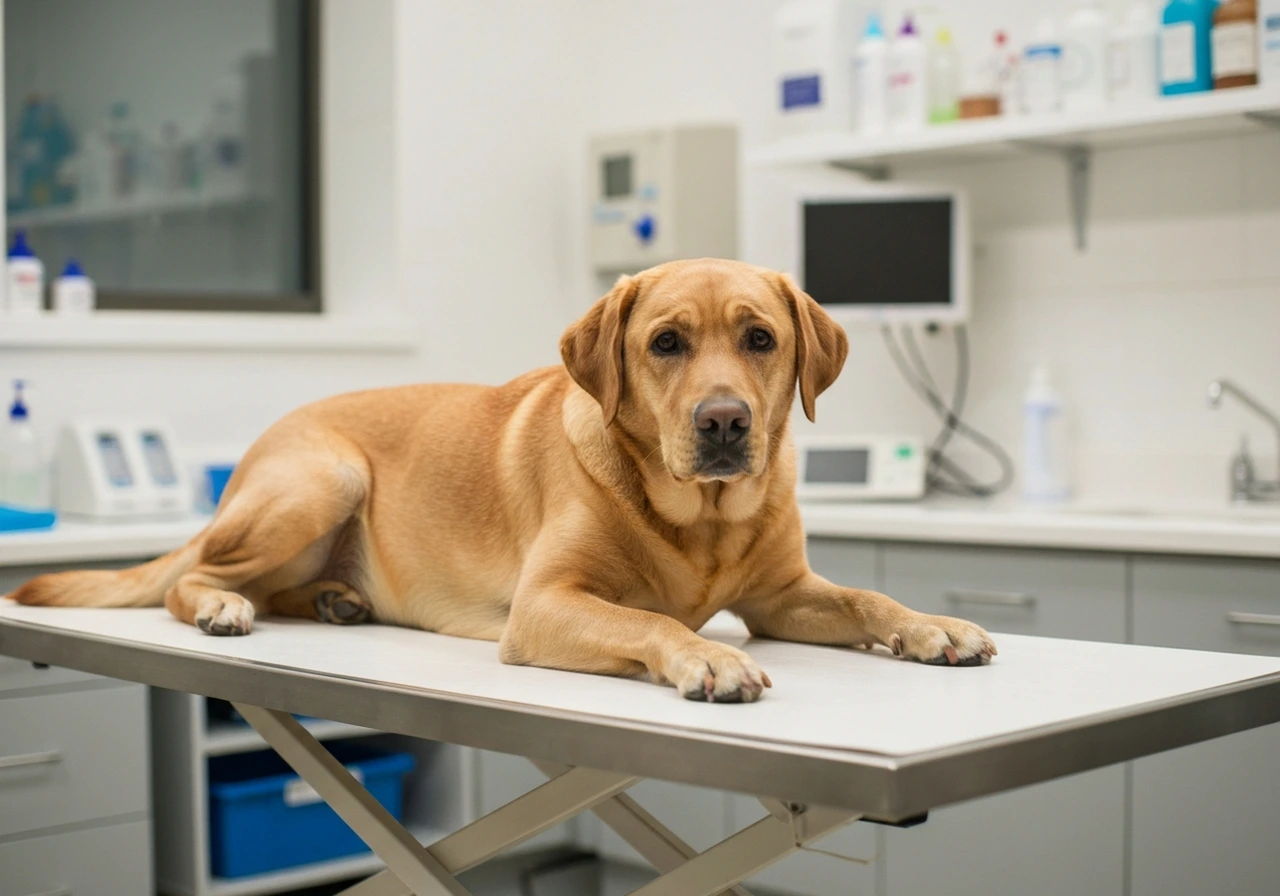
Some of the stories I receive aren't about sudden loss. They're about the slow fade, the gradual dimming, the months or years of watching a beloved dog grow old. These stories have their own weight.
Bailey
Bailey was my childhood dog. A Golden Retriever, because of course she was - we were the most stereotypical suburban family you can imagine. She was born the same year I was, and we grew up together.
I left for college when she was eighteen. By then, she was deaf, mostly blind, and arthritic. My parents sent me photos every week - Bailey in the sun, Bailey on her bed, Bailey eating the special soft food they made because she'd lost most of her teeth.
I came home for Christmas break and she was... fading. You could see it. Her eyes were cloudy but they still lit up when I walked in. She couldn't get up to greet me anymore, so I got down on the floor with her. I spent that entire break on the floor next to my childhood dog.
She died in January, three weeks after I went back to school. I wasn't there. I've carried that guilt for twenty years now - that I wasn't there, that I went back to classes instead of staying, that she died without me.
My therapist says Bailey knew I loved her. That she'd known it for eighteen years. That my presence or absence in those final moments didn't change what we'd had. Some days I believe that. Some days I don't.
But I'm writing this because maybe someone else needs to hear: if you weren't there, it's okay. They knew. They always knew.
Sarah's guilt is something I hear often. The "I should have been there" that haunts so many of us. I think dogs understand absences better than we give them credit for. They know when we're at work. They know when we leave. They know - somehow - that leaving isn't the same as leaving forever. I believe Bailey knew that too.
Captain
My husband named him Captain because he said the puppy had "an authoritative walk." That puppy grew into a ninety-pound German Shepherd who ran our household for thirteen years.
When my husband developed Alzheimer's, Captain somehow knew. He'd been trained as a protection dog - alert, watchful, suspicious of strangers. But as Tom declined, Captain became gentle. Patient. He'd follow Tom around the house, herding him gently away from the stove, from the door, from anything dangerous.
In Tom's final year, when he didn't recognize me anymore, he still recognized Captain. The dog could reach him in ways I couldn't. They'd sit together for hours, Tom's hand resting on Captain's back, both of them peaceful in a way Tom hadn't been in months.
Captain died eight months after Tom. I think he was just done. He'd spent thirteen years protecting his family, and when his main job was finished, he let go. The vet said it was his heart. I think that's exactly right.
I have a new dog now - a gentle Lab mix from the shelter. She's nothing like Captain. But she sits next to me in the evenings, in the spot where Captain used to sit, and I tell her about him. I tell her about Tom. She listens like she understands.
Elena's story about Captain and her husband always makes me cry. The way dogs serve us, the way they seem to understand what we need even when we don't know ourselves - there's something sacred in it. I've experienced it with my own Collies, this intuitive care that goes beyond training or instinct.
The Unexpected Ones
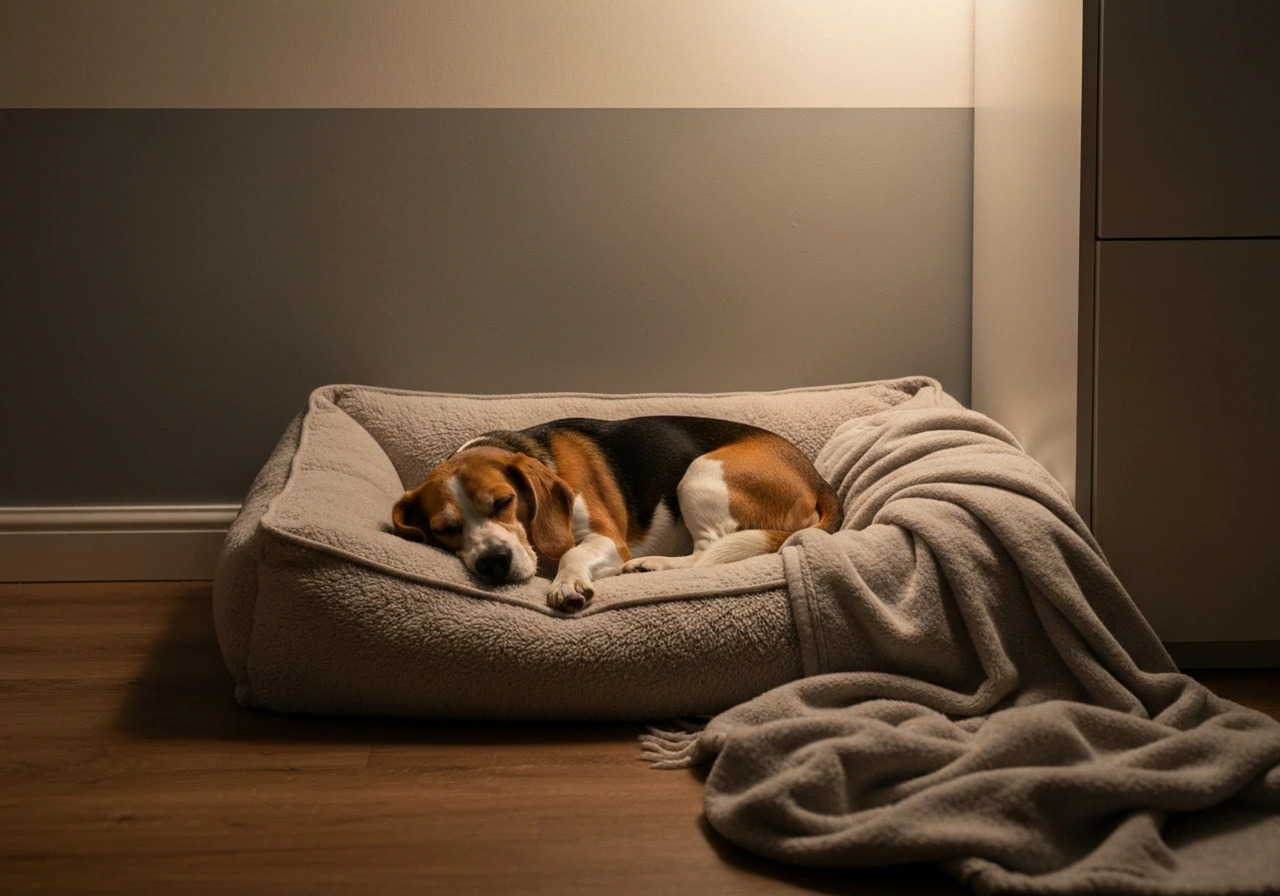
Not every heart dog is planned. Some of the most profound bonds I hear about started as accidents, fosters that became forever, strays that wandered in and never left.
Patches
I never wanted a small dog. I'm a hunting dog man - pointers, setters, Labs. Serious dogs for serious work. Then my daughter moved back home after her divorce and brought a twelve-year-old Shih Tzu named Patches.
I tolerated that dog. Barely. For about three months.
Then my daughter got back on her feet and moved out. Patches stayed. I still don't fully understand how that happened, except that somewhere in those three months, that ridiculous cotton ball of a dog had decided I was his person.
He lived another four years. Four years of a hunting dog man carrying a Shih Tzu in a special bag to the hardware store. Four years of explaining to my buddies why there was a bow in my dog's hair. Four years of the deepest, most unexpected love I've experienced outside my marriage.
Patches taught me that the heart doesn't care about categories. A dog is a dog is a dog. And love doesn't need to make sense.
He died at sixteen, in his sleep, in the bed I built him that I swore I'd never build. I miss him every day. My Labs are wonderful, but they're not Patches. Nothing will ever be Patches.
I love James's story because it captures something essential about how dogs choose us. We think we're the ones doing the choosing, but often, they decide. And once they've decided, we're helpless. Even the most stubborn among us.
Sharing Your Story
Every grey muzzle deserves to be remembered. If you have a dog you'd like to honor in these pages, I'd be grateful to include them. Write as much or as little as you need to - some people send me a few sentences, others send pages. There's no wrong amount.
Include their name, how long they lived, and what you want people to know about them. Include your name (first name only is fine) and location if you'd like, or stay anonymous. These are your words about your dog. I'm just holding space for them.
For those of you in the early stages of grief, there's no rush. These pages will be here when you're ready. Weeks from now, months, years - whenever you need to write it down, there's a place for it.
Why I Collect These Stories
Someone asked me once why I spend time reading about other people's dead dogs. Isn't it depressing? Isn't it too much grief to hold?
The opposite, actually. Every story I read is evidence that the love we share with our dogs matters. That it's real and valid and worth the inevitable pain. That we're not alone in this particular kind of heartbreak. That across the world, in different homes, with different dogs, people are experiencing the same profound bond.
Your stories remind me why I keep writing my own. They remind me that grief shared is grief lightened, somehow. Not erased, but made bearable by the knowledge that others understand.
Thank you for trusting me with your dogs. I carry each of their names with me now - Rosie, Winston, Bailey, Captain, Patches, and all the others who've been shared since this page went live. They matter. They mattered. And because you wrote them down, they'll continue to matter for as long as these words exist.